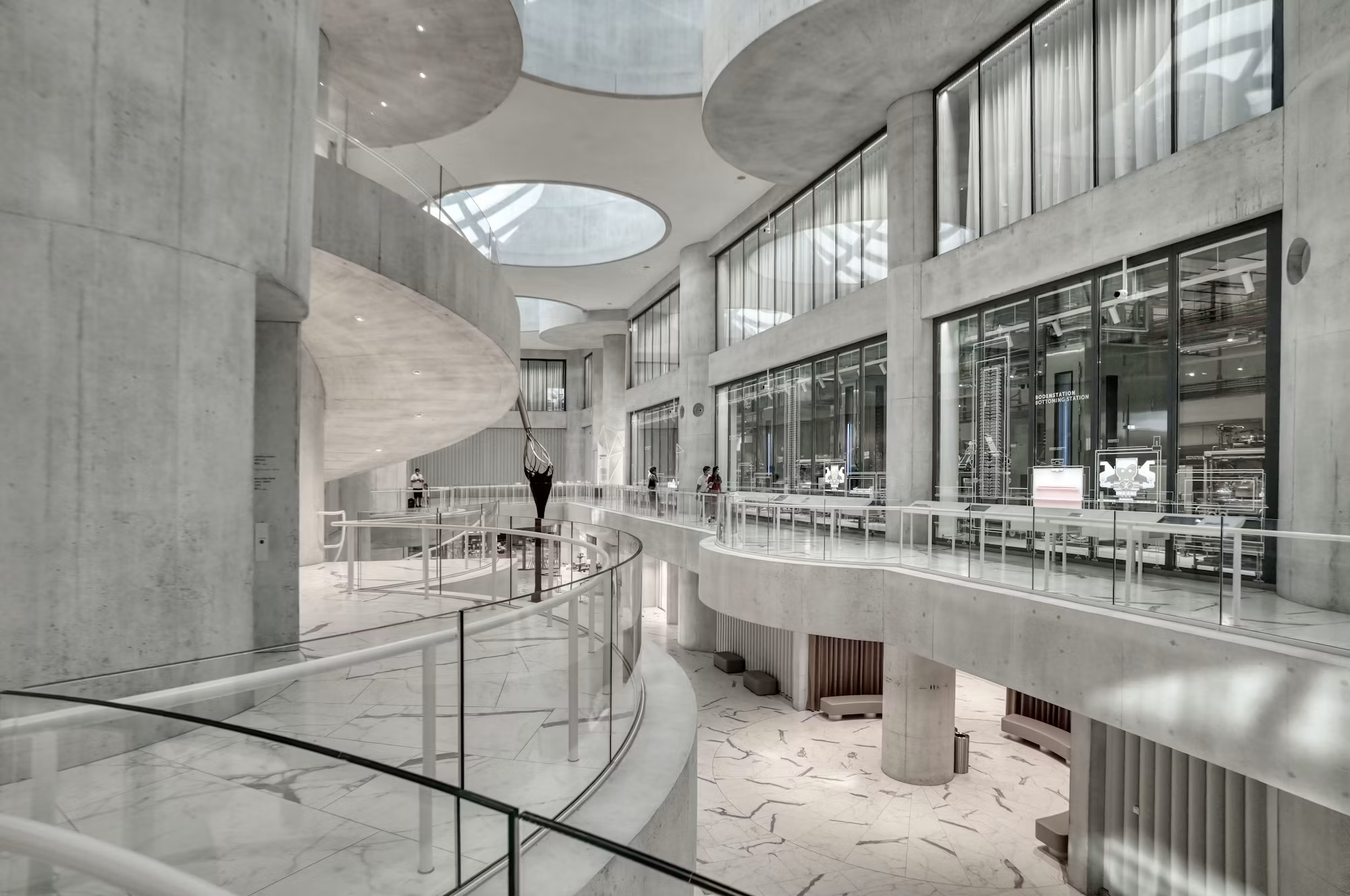
Museums serve as vital institutions in our society, acting as custodians of knowledge and culture while providing spaces for education and engagement. They come in various forms, each contributing uniquely to our understanding of history, art, science, and culture. Art museums are often at the forefront of this educational mission, showcasing collections that range from classical masterpieces to contemporary installations. Institutions like The Metropolitan Museum of Art and The National Gallery offer visitors the chance to explore a diverse array of artistic expressions. These museums not only display art but also engage the public through workshops, lectures, and guided tours that help demystify the artistic process. By promoting appreciation for the nuances of art, they encourage visitors to think critically about the cultural contexts and emotions behind each piece. Natural history museums, such as The American Museum of Natural History and The Natural History Museum in London, invite audiences to explore the wonders of the Earth and its inhabitants. Through exhibits that feature everything from dinosaur skeletons to intricate dioramas of ecosystems, these museums captivate the imagination and inspire a sense of wonder about our natural world. They also play a crucial role in promoting scientific literacy, offering educational programs that highlight the importance of conservation and environmental stewardship. By making complex scientific concepts accessible, natural history museums foster a deeper understanding of the challenges facing our planet. Science museums, like The Exploratorium and The Science Museum in London, focus on interactive learning experiences that engage visitors in the principles of science and technology. These institutions create environments where experimentation and discovery are encouraged, making science approachable and fun. Through hands-on exhibits and educational outreach, science museums inspire future generations of innovators and thinkers, empowering them to explore the wonders of the scientific world. History museums, including The British Museum and The Smithsonian National Museum of American History, preserve and interpret our collective past. They curate artifacts, documents, and narratives that illuminate significant events and cultural practices throughout history. By engaging with historical materials, visitors gain insights into the complexities of human civilization and the lessons that can be learned from our past. Educational programs in history museums often encourage dialogue and critical thinking, inviting audiences to reflect on how historical events shape our present and future. Technology museums, such as The Computer History Museum and The Museum of Science and Industry, celebrate the innovations that have transformed our daily lives. These institutions showcase the evolution of technology and its impact on society, illustrating how inventions have influenced communication, transportation, and industry. By examining the interplay between technology and culture, visitors can appreciate the transformative power of innovation and consider its implications for our future. Specialty museums cater to specific interests, providing unique experiences that resonate with particular audiences. From aviation and maritime history to sports and fashion, these museums create spaces where enthusiasts can explore their passions. They curate exhibitions that invite visitors to delve deeper into their chosen subjects, fostering a sense of community among those who share similar interests. Children’s museums, like The Boston Children’s Museum and The Children’s Museum of Indianapolis, prioritize play-based learning and interactive experiences. These institutions create environments that encourage creativity, exploration, and collaboration among young visitors. By providing hands-on exhibits and activities, children’s museums promote early learning and a lifelong love of discovery, ensuring that education is both engaging and enjoyable. As technology continues to advance, virtual museums have emerged as innovative platforms for sharing cultural experiences. These digital spaces allow individuals to explore exhibitions from the comfort of their homes, breaking down geographical barriers and expanding access to art and history. Virtual tours, interactive galleries, and educational resources provide opportunities for global audiences to engage with diverse cultures and narratives. In an increasingly interconnected world, virtual museums play a crucial role in promoting understanding and appreciation of global heritage, ensuring that knowledge remains accessible to all. Ethnic and cultural museums celebrate the richness of human experience by highlighting the traditions, art, and heritage of specific communities. These institutions serve as platforms for underrepresented voices, fostering dialogue and understanding across cultures. Through exhibitions that explore cultural artifacts and narratives, visitors gain insights into the values and experiences that shape different communities. Ethnic and cultural museums promote inclusivity and celebrate diversity, encouraging visitors to appreciate the myriad of cultural identities that contribute to our shared human experience. Living museums offer immersive experiences that allow visitors to engage with history dynamically. Often featuring reenactors and traditional crafts, these institutions bring history to life in a way that fosters connection and understanding. Visitors can participate in hands-on activities and witness historical practices, creating memorable experiences that resonate long after their visit. Ultimately, museums are vibrant spaces that educate, inspire, and entertain. Each type of museum contributes to our understanding of the human experience, encouraging exploration, reflection, and connection. By fostering relationships between the past, present, and future, museums play an essential role in shaping informed and engaged citizens. Supporting and visiting these institutions ensures that the stories of our world continue to be shared for generations to come. As we navigate an ever-changing landscape, the value of museums as custodians of culture and knowledge remains undeniable. They invite us to explore, learn, and engage with the diverse narratives that make up our shared human experience. Whether through art, science, history, or culture, museums hold the key to unlocking a deeper understanding of who we are and where we come from.
The Transformative Power of Museums: Connecting Communities Through Culture
Categories:
Related Post

The Colorful World of Fashion FestivalsThe Colorful World of Fashion Festivals
This article explores the significance of fashion festivals around the globe, highlighting their rol

The Art of Music Festivals: A Global Celebration of SoundThe Art of Music Festivals: A Global Celebration of Sound
This article explores the diverse world of music festivals, highlighting their cultural significance

Celebrating Achievements: How to Host an Unforgettable Graduation PartyCelebrating Achievements: How to Host an Unforgettable Graduation Party
This article provides a comprehensive guide to organizing a memorable graduation party, focusing on